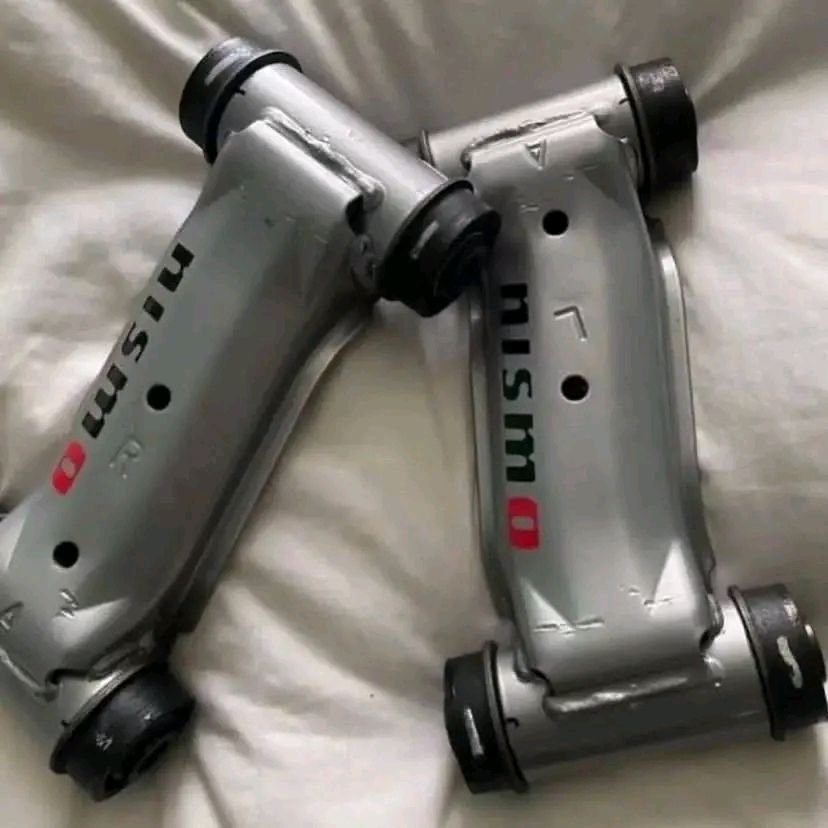
Front upper Control arm
$450.00
Front Upper Control Arm for Reliable Suspension Performance
A front upper control arm is an important suspension component that helps connect the vehicle’s frame or chassis to the steering knuckle. It allows the wheel to move through its suspension travel while helping maintain proper wheel alignment and controlled handling. When an upper control arm becomes worn, bent, damaged, or corroded, it can affect ride quality, steering response, tire wear, and overall driving confidence.
Whether you are replacing a worn factory suspension part, repairing collision damage, upgrading a truck for off-road use, or refreshing an older vehicle, choosing the correct front upper control arm is essential. Suspension components are not universal, and the proper arm must match the vehicle’s make, model, year, drivetrain, lift height, mounting points, and suspension design.
Before ordering, always confirm the part number, vehicle application, ball-joint configuration, bushing type, mounting hardware, and whether the control arm is designed for stock ride height or a lifted suspension setup. Professional installation and a wheel alignment are strongly recommended after replacing any steering or suspension component.
What Is a Control Arm in a Car?
Many drivers ask, what is control arm in a car? A control arm is a suspension link that helps position the wheel while allowing it to move up and down as the vehicle travels over uneven roads. It usually connects the frame or subframe to the steering knuckle through bushings and a ball joint.
Control arms are an important part of vehicle stability. They help maintain the wheel’s position in relation to the chassis and support proper alignment angles. When bushings, ball joints, or the control arm itself wear out, the vehicle may develop noises, uneven tire wear, loose steering, pulling, vibration, or reduced handling precision.
A control arm car suspension system may use upper control arms, lower control arms, or multiple links depending on the vehicle’s design. Not every vehicle uses the same layout, which is why fitment verification is essential.
Why Replace a Front Upper Control Arm?
A front upper control arm may need replacement due to worn bushings, failed ball joints, corrosion, impact damage, off-road use, or normal wear over time. The component is exposed to road debris, water, salt, heat, and repeated suspension movement, all of which can affect its condition.
Common signs that a control arm or its related components may need inspection include:
- Clunking, knocking, or squeaking sounds from the front suspension
- Uneven or accelerated tire wear
- Vehicle pulling to one side or poor alignment
- Loose, unstable, or wandering steering feel
- Vibration through the steering wheel
- Visible damage to the arm, bushings, or ball joint
- Changes in handling after hitting a pothole, curb, or road debris
These symptoms can also be caused by other steering or suspension parts, so it is important to have the vehicle inspected before replacing components. A qualified technician can identify whether the problem is the upper control arm, ball joint, lower arm, tie rod, wheel bearing, strut, or another related part.
Front Upper Control Arms and Suspension Geometry
Front upper control arms play an important role in how the vehicle’s suspension moves and how the wheels maintain their alignment through travel. In a properly functioning suspension system, the upper and lower arms work together to support controlled wheel movement.
If your vehicle has been lifted or modified, the factory upper control arm may not always provide the ideal alignment range or clearance. Some aftermarket arms are designed for specific lift heights or off-road applications. However, you should only choose a part that is explicitly designed for your vehicle and suspension setup.
A correctly matched upper front control arm can help support proper suspension geometry, but it does not replace the need for a professional alignment. After installation, a full alignment should be completed to set the vehicle’s camber, caster, and toe according to the manufacturer’s specifications or the requirements of the selected suspension system.
Ford Ranger Front Upper Control Arms
Owners searching for ford ranger front upper control arms should verify the exact Ranger model year, drivetrain, suspension package, and any lift modifications before purchasing. Ford Ranger suspension configurations can vary between generations and trim levels, and an arm designed for one application may not fit another.
If you are considering a lifted-truck setup, confirm whether the selected control arm is intended for your current ride height. Also inspect related suspension parts such as ball joints, shocks, springs, tie rods, sway-bar links, and lower control arms to ensure the entire front-end system is in good condition.
Freedom Off-Road Front Upper Control Arms
Freedom Off-Road front upper control arms are a brand-specific search term. If your product is manufactured by Freedom Off-Road, use the brand name and confirm the exact vehicle applications listed by the manufacturer. If your product is not made by that brand, do not use the brand name in the product title or visible description.
Brand-specific suspension parts may offer different bushing materials, ball-joint designs, finishes, or lift-height applications. Always compare the product specifications with your vehicle before ordering.
Upper and Lower Control Arm Differences
An upper control arm and a lower control arm are both important suspension links, but they serve different positions in the system. The lower arm is generally located below the steering knuckle, while the upper arm is positioned above it in vehicles that use an upper-and-lower control-arm design.
Both components should be inspected during suspension service. Replacing only one worn part while ignoring damaged bushings, loose ball joints, or a failing lower arm may lead to continued handling or alignment issues.
Product Details and Installation Notes
- Product type: Front upper control arm
- Purpose: Supports wheel positioning, suspension travel, and alignment
- Application: Vehicle-specific; confirm exact year, make, model, and suspension configuration
- Fitment: Verify stock-height or lifted-vehicle compatibility
- Included parts: Confirm whether bushings, ball joints, mounting hardware, and adjustment components are included
- Installation: Professional installation is strongly recommended
- Alignment: A complete wheel alignment is required after installation
- Safety: Inspect related steering and suspension components before returning the vehicle to service
Choose a compatible front upper control arm that matches your vehicle and suspension setup. Verify fitment before ordering, install it with the correct hardware, and have the vehicle professionally aligned for safe, dependable handling.
Be the first to review “Front upper Control arm”
Related products
Nissan
Nissan
Nissan
Nissan
Nissan
Nissan
Nissan
Reviews
There are no reviews yet.