
Turbine
Original price was: $3,100.00.$2,600.00Current price is: $2,600.00.
Turbocharger for Performance and Engine Airflow
A turbocharger is one of the most effective components for increasing airflow in a compatible engine. By using energy from the exhaust stream to drive a turbine and compressor system, a turbocharger helps deliver pressurized air to the engine. When paired with the correct fuel system, cooling components, exhaust setup, and engine calibration, this added airflow can support stronger power delivery and a more responsive driving experience.
Whether you are replacing a worn factory unit, repairing a turbocharged engine, or planning a performance-focused build, selecting the right turbocharger is essential. Turbocharger fitment is not universal. The correct unit must match your engine platform, exhaust manifold, intake layout, oil-feed and oil-return system, intercooler setup, and intended power goals.
Before ordering, always verify the turbocharger part number, vehicle application, engine code, mounting flange, compressor inlet and outlet size, turbine housing configuration, wastegate arrangement, and oil or coolant connections. Professional installation and appropriate engine tuning are strongly recommended.
What Is a Turbocharger?
Many drivers ask, what is a turbocharger? A turbocharger is an engine component that uses exhaust gas energy to spin a turbine wheel. That turbine is connected by a shaft to a compressor wheel on the intake side of the unit. As the compressor wheel spins, it draws in and compresses air before sending it to the engine.
This process is commonly known as turbocharging. By delivering more air to the engine, a turbocharger can allow the engine to burn more fuel efficiently when the system is properly configured. The result can be increased power, stronger acceleration, and improved performance potential without relying only on larger engine displacement.
A turbocharger is a complete system component, not simply a bolt-on power part. It must be matched to the engine and supported by correct installation, cooling, lubrication, fuel delivery, and tuning.
What Is a Turbo Engine?
If you are wondering what is a turbo engine, it is an engine equipped with a turbocharger. Turbocharged engines are found in many modern cars, trucks, SUVs, diesel vehicles, and performance applications. Some are designed for efficiency and everyday drivability, while others are built to support high-performance goals.
A turbo engine can deliver strong torque and power from a relatively compact engine size. However, it also requires proper maintenance. Clean oil, correct oil-change intervals, a healthy cooling system, leak-free intake piping, and properly functioning sensors all help support turbocharger performance and longevity.
What Does a Turbo Do?
The question what a turbo does has a straightforward answer: it uses exhaust energy to compress intake air and help the engine receive more oxygen. More available air can support greater fuel combustion when the engine management system and fuel system are correctly calibrated.
A turbocharger does not create power on its own without the rest of the system working properly. The engine must be in good condition, the fuel system must provide the correct amount of fuel, and the calibration must match the hardware. Excessive boost, poor tuning, incorrect oil supply, or inadequate cooling can affect reliability.
For this reason, a turbo upgrade should be approached as part of a complete build plan. Consider the intercooler, exhaust, intake, fuel injectors, fuel pump, boost control, engine internals, and ECU tuning before making major changes.
Turbine and Turbocharger Function
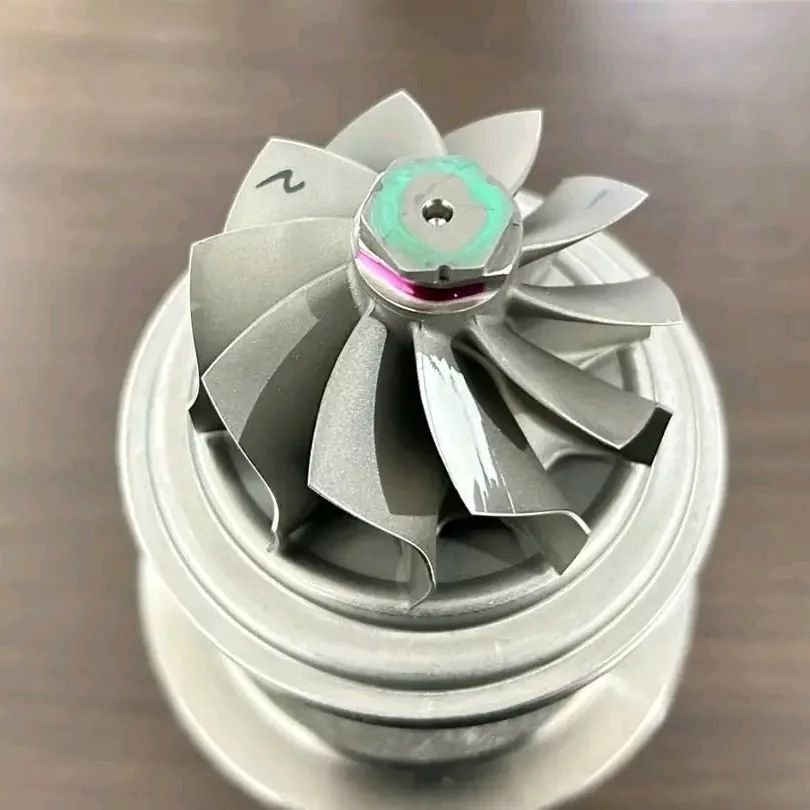
The turbine is the exhaust-side section of the turbocharger. Hot exhaust gas flows through the turbine housing and turns the turbine wheel. The wheel is connected through a central shaft to the compressor wheel, allowing exhaust energy to drive the intake-side compressor.
Terms such as turbo turbine and turbine turbo are commonly used when discussing the exhaust-side parts of a turbocharger. The size, housing design, wheel profile, and flow characteristics of the turbine section all influence how the turbocharger responds and where it produces power in the engine’s operating range.
A smaller turbine configuration may support quicker response in some applications, while a larger turbine setup may better suit engines built for higher power at higher engine speeds. The correct choice depends on the vehicle, engine, driving style, fuel type, and performance target.
Variable Turbine Turbo Technology
A variable turbine turbo uses adjustable vanes in the turbine housing to manage exhaust flow. By changing vane position, the turbocharger can respond differently across the engine-speed range. This technology is commonly found in some diesel and modern turbocharged applications.
Variable turbine systems can offer advantages in responsiveness and efficiency, but they also require correct electronic or vacuum control and proper maintenance. Carbon buildup, actuator faults, damaged vanes, or control-system problems can affect performance. Always confirm whether your vehicle uses a variable-geometry design before selecting replacement turbocharger parts.
Product Details and Installation Notes
- Product type: Turbocharger or compatible turbocharger component
- Primary purpose: Supports pressurized intake airflow for compatible turbocharged engines
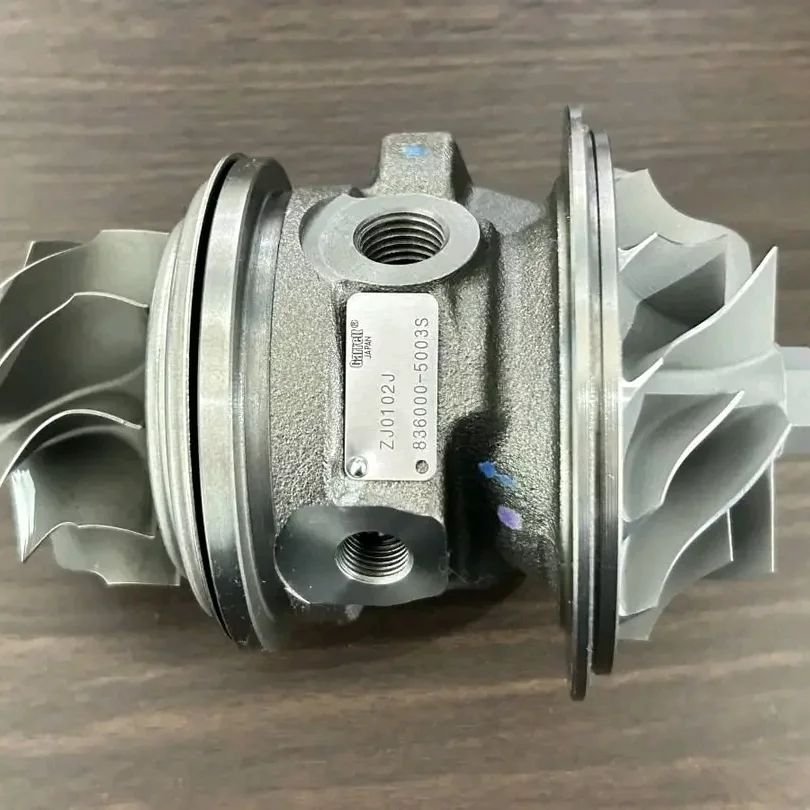
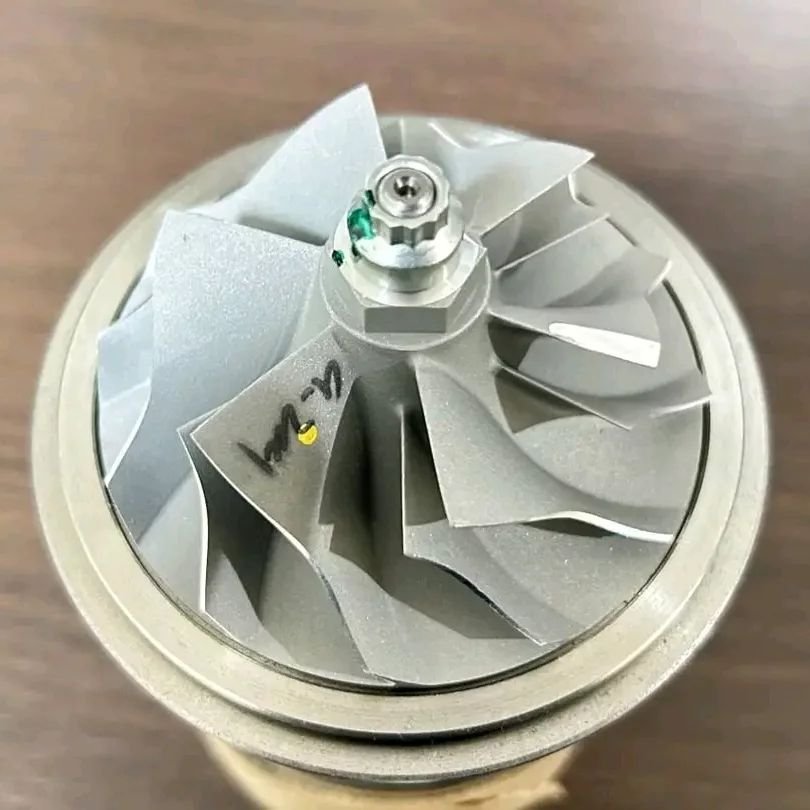
- Key components: Turbine housing, turbine wheel, compressor wheel, center housing, bearings, shaft, and wastegate or variable-geometry system, depending on design
- Fitment: Confirm exact engine, vehicle application, part number, flange pattern, and connection sizes
- Oil supply: Correct oil-feed and oil-return routing is essential
- Cooling: Some units may require coolant connections; verify the specific application
- Tuning: ECU calibration may be required after replacement or upgrade
- Installation: Professional installation is recommended
Before installing a turbocharger, inspect the intake tract, intercooler piping, exhaust system, oil lines, air filter, and engine condition. Contamination, oil starvation, boost leaks, exhaust leaks, or foreign-object damage can affect a replacement unit. Follow the manufacturer’s recommended priming, installation, and break-in procedures.
Turbo in Auto Applications
A turbo in auto applications can improve both daily driving response and performance potential when properly selected. Whether you are replacing an original equipment unit or planning a custom build, the most important step is choosing a turbocharger that suits your engine and goals.
If you are searching for information about what is turbo car technology, remember that the turbocharger is part of a larger engine system. Proper fitment, professional installation, correct lubrication, and appropriate tuning are the foundation of a reliable turbocharged vehicle.
Choose a turbocharger that matches your application, verify every specification before ordering, and build your system around quality components. With the right setup, a turbocharger can help deliver responsive, efficient, and exciting performance for your vehicle.
Brand New ( Unused item )
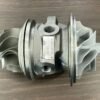
ORI HKS GT3037-56T Turbine ( Center Cartridge ) For sale
Be the first to review “Turbine”
Related products


Ford
Nissan
Ford


Jeep



Reviews
There are no reviews yet.