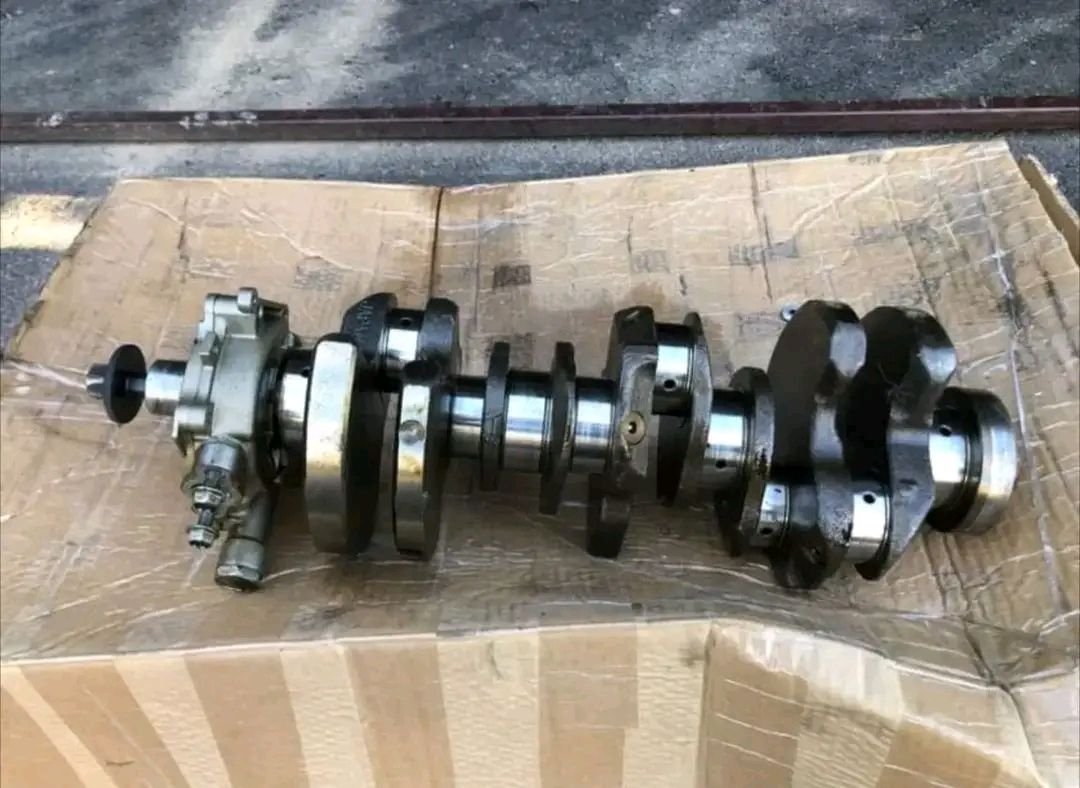
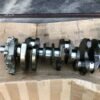
Engine shaft 350z.
$300.00
Car Shaft ( Reliable Drive Shaft Replacement )
A car shaft, commonly called a drive shaft or propeller shaft, is a vital drivetrain component that transfers power from the transmission or transfer case to the differential and wheels. When this part is worn, damaged, bent, or incorrectly balanced, it can affect how smoothly your vehicle drives and may lead to unwanted vibration, noise, or reduced drivability.
Whether you are replacing a damaged component, restoring an older vehicle, or repairing a drivetrain issue, choosing the correct car drive shaft is essential. A properly matched shaft helps transfer engine power efficiently while supporting stable operation of the drivetrain. Because shaft design, length, splines, flange patterns, joints, and balance specifications vary between vehicles, always confirm fitment before placing an order.
This product is intended for compatible automotive drivetrain applications. Verify your vehicle’s year, make, model, engine, transmission, drivetrain layout, wheelbase, and part number to ensure the correct match.
What Is a Drive Car Shaft?
Many drivers ask, what is drive shaft in a car? A drive shaft is a rotating component that carries torque from one part of the drivetrain to another. In many rear-wheel-drive and four-wheel-drive vehicles, it connects the transmission or transfer case to the differential. In other vehicle layouts, different shaft designs may be used to transmit power to the wheels.
The drive shaft must remain balanced and securely connected during operation. It typically works with universal joints, constant-velocity joints, yokes, flanges, bearings, or other drivetrain hardware, depending on the vehicle. Even a small amount of wear in these parts can cause vibration or noise, especially during acceleration or at higher road speeds.
A quality replacement shaft can help restore smoother power transfer when the original component is damaged or no longer operating correctly.
Why Replace a Car Shaft?
A car drive shaft may need replacement after impact damage, corrosion, worn joints, failed bearings, collision damage, improper modifications, or normal high-mileage wear. Symptoms can vary, but drivers may notice vibration under acceleration, clunking when changing gears, knocking sounds, shuddering, or unusual noises from underneath the vehicle.
Ignoring drivetrain symptoms can lead to additional wear in connected components. A worn drive shaft may affect the transmission, differential, joints, bearings, or mounting hardware. If you suspect a drivetrain problem, have the vehicle inspected by a qualified technician before ordering parts.
Common reasons to replace a drive shaft include:
- Excessive vibration while driving or accelerating
- Clunking or knocking noises during gear changes
- Worn, damaged, or seized universal joints
- Bent or damaged shaft tubing after road impact
- Corrosion or damage to splines, flanges, or mounting points
- Failed center support bearing on applicable shaft designs
- Drivetrain repairs requiring a compatible replacement shaft
A correct replacement helps support smoother operation, but it must be installed and balanced properly. Professional installation is recommended, particularly for vehicles with complex drivetrain layouts or electronically controlled four-wheel-drive systems.
Car Tail Shaft and Drivetrain Components
The phrase car tail shaft is sometimes used to describe a drivetrain shaft or the output area of a transmission, depending on the vehicle and region. Because terminology can vary, it is important to identify the exact part you need before purchase.
Do not choose a replacement based on a name alone. Compare the shaft length, diameter, spline count, flange type, joint design, and original equipment part number whenever possible. A component that looks similar may not be compatible with your vehicle’s transmission, transfer case, differential, or wheelbase.
When replacing a drive shaft, it is also wise to inspect connected components. Worn universal joints, damaged seals, loose mounting hardware, leaking transmission output seals, and deteriorated center support bearings can all affect the life and performance of the new shaft.
What Is a CV Shaft on a Car?
Another common question is, what is a cv shaft on a car? A CV shaft, or constant-velocity axle shaft, is usually found in front-wheel-drive, all-wheel-drive, and many independent-suspension vehicles. It transfers power from the transmission or differential to the wheel while allowing the suspension and steering system to move.
A CV shaft is different from a traditional long drive shaft, although both are drivetrain components that transfer power. CV shafts use flexible joints and protective boots to maintain power delivery through steering and suspension movement. If a CV boot tears, grease can escape and contamination can damage the joint.
Always verify whether your vehicle needs a drive shaft, propeller shaft, axle shaft, or CV shaft before ordering. The correct component depends on the vehicle’s drivetrain design.
Car Drive Shaft Repair and Installation
In some cases, car drive shaft repair may be possible. A specialist may be able to replace joints, balance a shaft, repair certain fittings, or address a center support bearing. However, a severely bent, cracked, heavily corroded, or structurally damaged shaft may need complete replacement.
Installation should be carried out carefully. The vehicle should be safely supported, mounting surfaces should be clean, bolts should be tightened to the manufacturer’s specifications, and the shaft should be aligned correctly. After installation, inspect for leaks, vibration, unusual sounds, and clearance problems.
Choose a compatible car shaft that matches your vehicle’s drivetrain requirements. Confirm every fitment detail before purchase, work with a qualified installer when needed, and restore smooth, dependable power transfer to your vehicle.
Be the first to review “Engine shaft 350z.”
Related products
Nissan
Nissan
Nissan
Ford
Nissan
Nissan
Nissan
Nissan
Reviews
There are no reviews yet.